I’ll start with a personal story from a few years back but will then quickly make the link to the world of education and the key point I want to get across in this post (the story is short and connected, I promise).
The Story
When I lived in London I had a flatmate who was in great physical shape. Proper front cover of magazine vibes. She was in the sort of shape I always wished I’d been in. She had converted the garage into a gym and used it on a near daily basis. She cycled to work. She rarely drank alcohol. She cooked EVERY meal from scratch. She used coconut oil instead of olive oil. She got a good amount of sleep. She had a relatively low stress job and a great work-life balance.
I envied her and living with her inspired me to get into the sort of shape I hadn’t achieved so far in life. So here’s what I did… I bought some coconut oil.

That’s it. Of that list of things she was doing that helped her reach her goal I copied only that. It’ll be of little surprise for you to find out that years later I’m still after that classic beach-bod. What’s maybe more sad, is that I still haven’t even finished the jar of coconut oil yet.
The Point
Visiting other schools is often incredible CPD and when you see something in action that blows you away it can make you feel both envious and inspired.
Going out there and visiting great schools knowing in advance that they have overcome hurdles you face currently or that have successfully implemented something that you want to embed is a great thing to do. The level of focus and specificity of the visit will most likely lead to focused and purposeful conversations.
Visiting schools that are getting great results can be great CPD too. These may be less focused visits but can be equally valuable. The chance to visit and try and find out what they are doing that is working well, what ideas you can take back, what processes you can steal is more often than not, worthwhile. These less-focused visits need to come with a health-warning though.
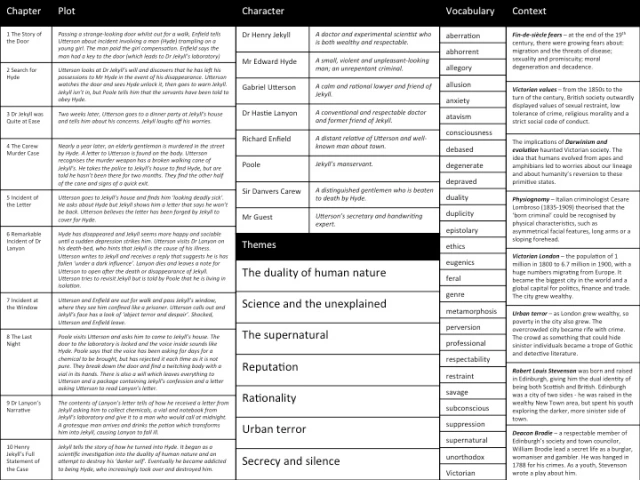
A few years ago when Michaela Community School was all the rage and on track to be one of the top-performing schools for progress in the country they attracted a lot of visitors. Of all the things they were doing, one seemed to become the new “must-have” in schools almost overnight. The knowledge organiser. These now take so many different forms its hard to even define what one is any more. They’re also something that Michaela distanced themselves from after reviewing their effectiveness. Alas though, the damage was done. The knowledge organiser was the equivalent of my flatmate’s coconut oil. It was the easiest thing to replicate and people thought it would drive results up in their own settings. Like my six-pack however, in most institutions there is still a lot left to be desired.
I want to outline ideas I’m seeing as the next “knowledge organiser”. Ideas or buzzwords that may feel small and easily replicated which are being held up as a panacea to all of education’s woes but in reality aren’t much more than superficial decoration or are systems which need a monumental amount of thought and consideration before being rolled out effectively in a school.
Beware The Next Knowledge Organiser
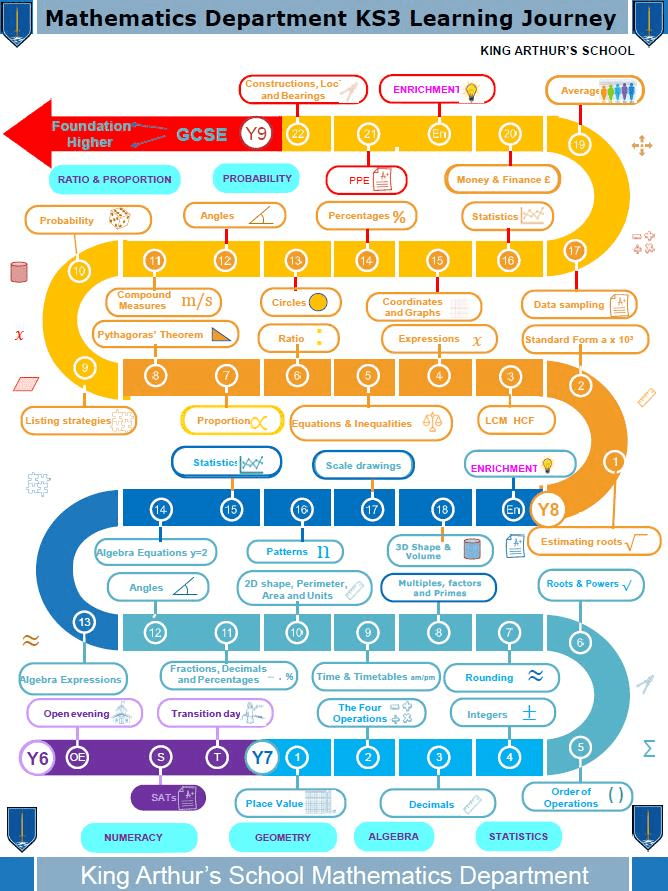
Visual Curriculum Maps: Have you seen these yet? These spiral journeys colourfully map out a student’s path through a subject . If you haven’t, you can pay a few quid to download some from TES. They worry me though. Who are these benefiting and how? The amount of time put into creating a document which will not be referred to or of use throughout an academic year baffles me. I won’t even start on how demoralising it may be for a student entering Y7 without a grasp of the basics to get to Y9 and find out they are years “behind” according to this flightpath! Still, at least they look pretty.

Mini Whiteboards: I LOVE MWBs. They are, in my opinion, a necessary, but not sufficient, element of effective teaching. They are the quickest and easiest way I’ve seen of engaging a class full of students in deep and accountable thinking. HOW they are used though is vital. There is no point collecting all that data and doing nothing with it. The active ingredient of what makes MWBs so effective can so often be missed and it breaks my heart when I see it. I think we should be talking less about mini whiteboards and more about responsive teaching and means of mass participation. THEY are the active ingredients, not the piece of plastic.
Instructional Coaching: Hard to find a bigger buzzword at the moment. Don’t get me wrong, I think it’s incredible. But the amount of care and attention that needs to go alongside successful implementation of this is immense. If a school thinks that it’s implementing Instructional Coaching overnight then what it’s implementing is not Instructional Coaching.
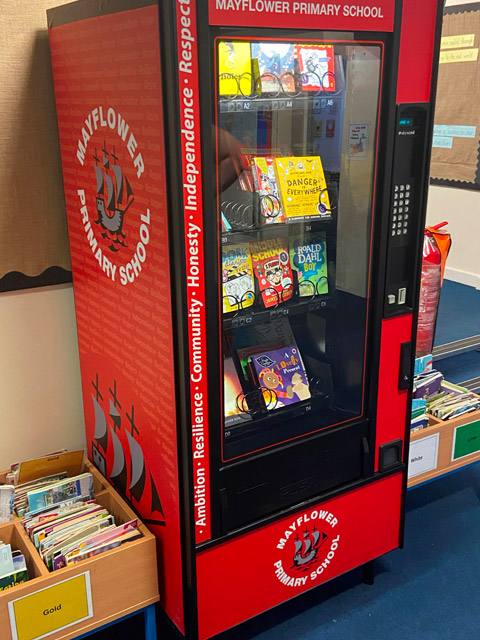
Book Vending Machines: These are a little old now and I wonder if they are still as fully stocked and shiny as they once were on Twitter so long ago. If the money spent on them was spent on actual books and if a love of reading was built intrinsically, rather than extrinsically, maybe we’d be in a better place.

No Marking Policy: The amount of pointless time-consuming marking I’m supposed to have done in my time makes the idea of not marking anything appealing. There is a balance though and there are some things only an expert looking at a piece of student work can tell. Beware blanket policies!
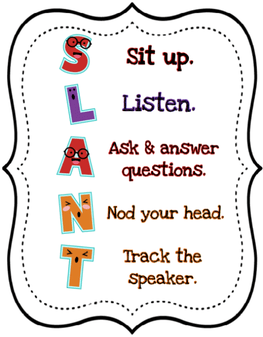
SLANT: Using SLANT does not make you good or evil. It doesn’t give you a calm classroom either. The culture and delivery around any behaviour management system is crucial. Two classrooms that use SLANT can be as different as any two other classrooms in the world. We need to stop over-simplifying complex ideas in education, and we need to do so quickly (with a straight back and empty hands if possible).
Takeaways

It is important to remember that it is never just one thing that makes an education transformative. It is always a team effort and it is definitely a complicated task. If you think you’ve found something that you can install overnight which will make a seismic difference I suggest you think twice before rolling out a potentially short-lived and ineffective strategy.
If you find yourself seeing a new idea or visiting a school getting incredible results and you’re not sure how they are doing it ask yourself or staff working there some questions.
Questions for them:
- What do you attribute your success to?
- What did the implementation of this look like?
- How long did you take for you to be happy with it?
- What lessons did you learn along the way?
- If you were to start again, what would you definitely keep?
Questions for you:
- What do I hope to achieve by implementing this? How will I know it’s worked?
- Is this the highest leverage use of my time?
- Will this still be working in two years time?
- What will the impact on students be?
- How will I make sure it is embedded?
- Do staff have time and capacity to do this well?
 Teach Solutions
2 thoughts on “Buying Coconut Oil Didn’t Give Me A Six-Pack”